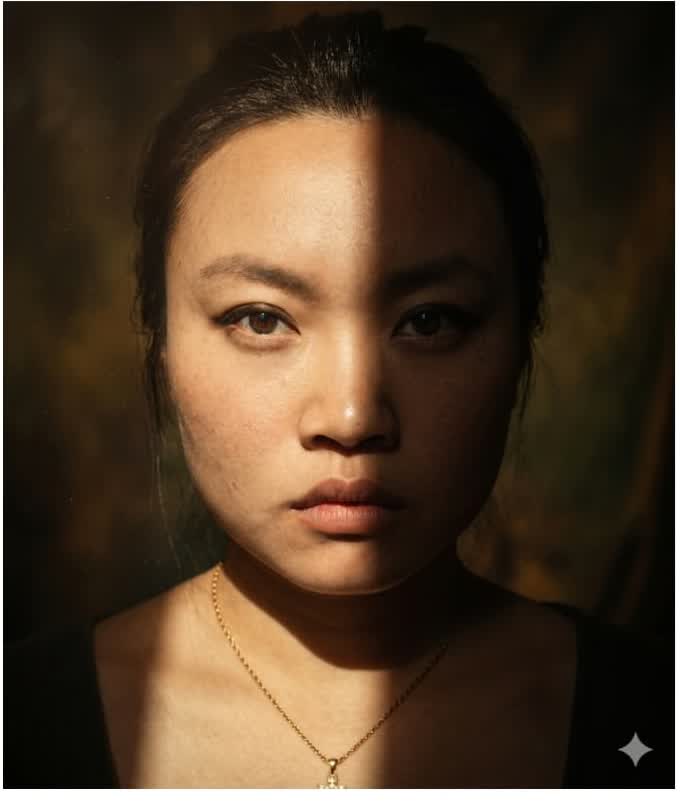
What lies behind a song? A story. And the story of L., stage name of Lucia Lin — born in China and arrived in Italy at the age of 8 — is one of ups and downs, of things lost and found, of falls and victories. A story of resilience that crosses two cultures and becomes music, narrative, song.
The Chinese-born singer-songwriter, today based in Trieste and already a protagonist of the TV series Italiani Made in China on Real Time, makes her independent debut with her first single, released on 28 August, telling her story in music and sending a message to second generations.
Eleven years ago, millions of viewers saw her embrace her Chinese grandparents again after seventeen years apart, in one of the most moving scenes of Italiani Made in China. Today Lucia Lin tells her story again — this time by singing, with an even more direct message: that of someone who managed to merge two cultures instead of remaining their prisoner.
“This song is the breaking of a pattern”
“Il mare sta piangendo”, her debut single, written with Claudio Banzato and produced by the Milan label Milano Music Play under the artistic direction of Ettore Diliberto — who has worked with artists such as Franco Battiato, Lucio Dalla and Enrico Ruggeri — is distributed by The Orchard / Sony Music. It is an intimate, evocative ballad that combines Italian songwriting sensibility with a rich and multifaceted cultural and musical background, merging two cultures in the metaphor of the sea.
The song speaks of a love story that ended, of abandonment and loneliness — but for Lucia it is the breaking of a pattern: “My parents came to Italy to improve their lives. We came from the mountains, from an ancient and distant culture, and they made enormous efforts, devoting themselves entirely to work to build a future for us. That is also why today I feel the responsibility to take that extra step — to open up, to study, to build bridges — which was not always possible for them. Sometimes Chinese culture closes in on itself. I have a relative, born in Italy, who still doesn't speak Italian, and that saddens me deeply. I am trying to be a bridge instead, because the union of the two cultures is a great richness.”
Lucia Lin speaks perfect Italian, sings in the language of the country that welcomed her, and is today both an entrepreneur and an artist. A path she herself describes as breaking through a wall: “Today, I am the one living in both cultures. And I would like to be of help to other second generations too. My journey also passed through a reception centre and a family home, and then through working from a very young age in my family's businesses. Every stage, even the hardest ones, taught me to walk and to keep going — because, as they say in China, the river only flows forward. Today I want to turn all of this into a message of resilience, for those who need it as much as I did.”
A message that also speaks to a growing and deeply rooted community: according to the 2025 Report on the Chinese community in Italy, there are over 288,000 Chinese citizens legally resident in the country, making Italy the European country with the largest presence of citizens of the People's Republic of China. And many were born here: among students of Chinese origin in Italian secondary schools, almost 6 in 10 were born in Italy — one of the highest rates among all foreign communities in the country.
Born in front of the mirror
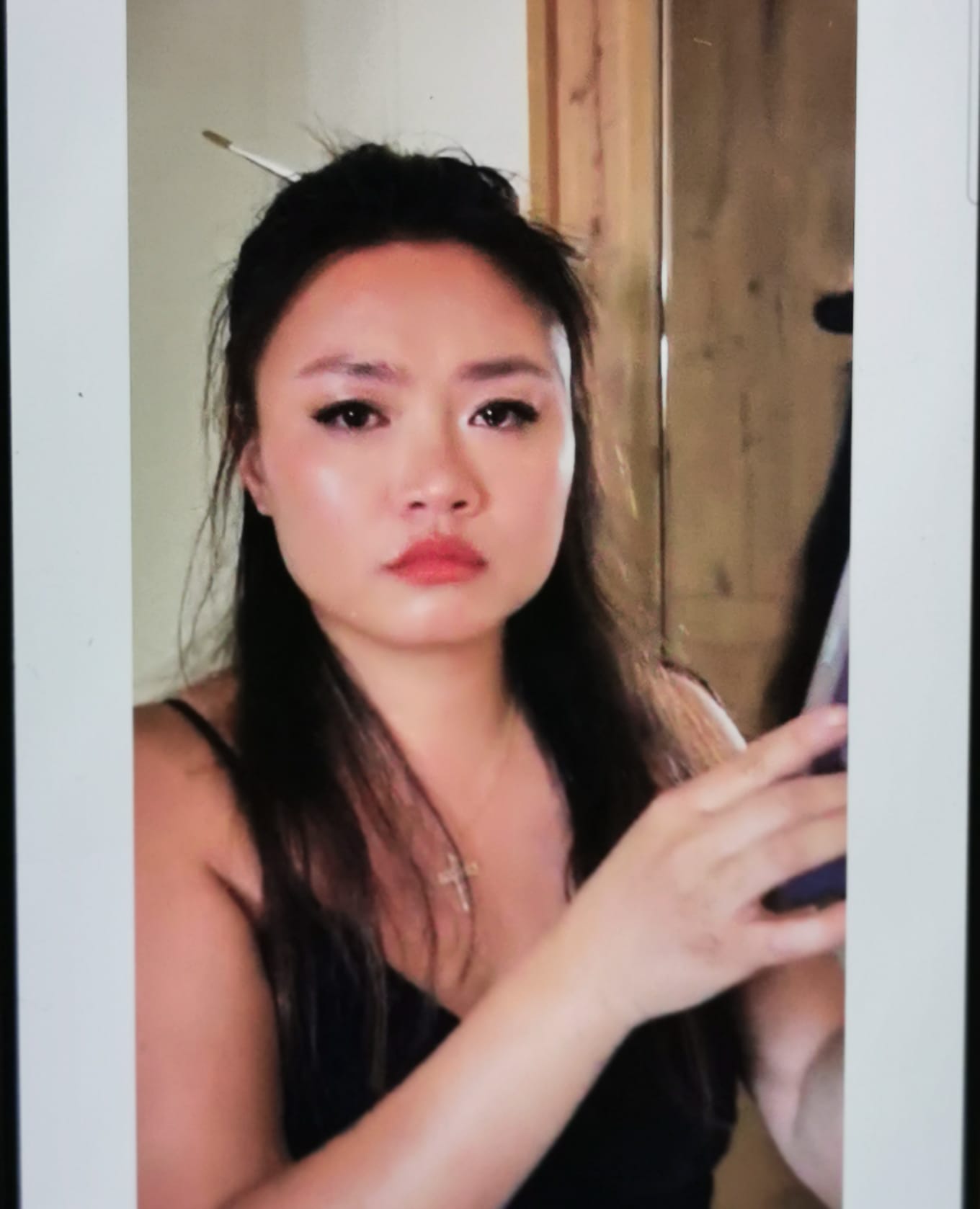
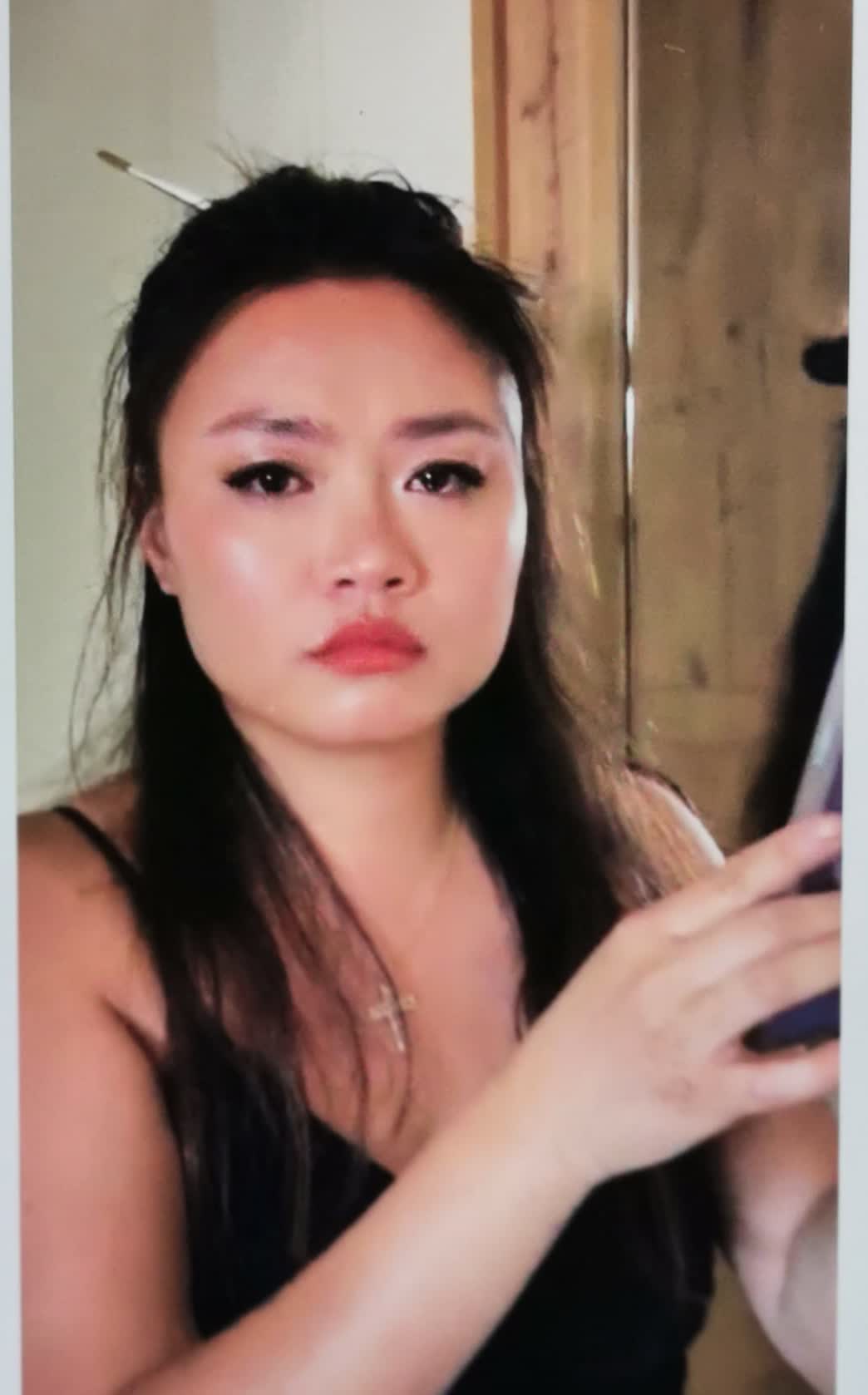
“Il mare sta piangendo” was born in a moment of pure inspiration, in front of her bedroom mirror: melody and lyrics flowed almost by themselves, in an intimate and unexpected dialogue with herself. The only witness to that emerging song was her little dog Nana: “Nana, now I'll sing you a song of mine,” Lucia told her, even before the track took the shape it has today.
Two cultures, one sound
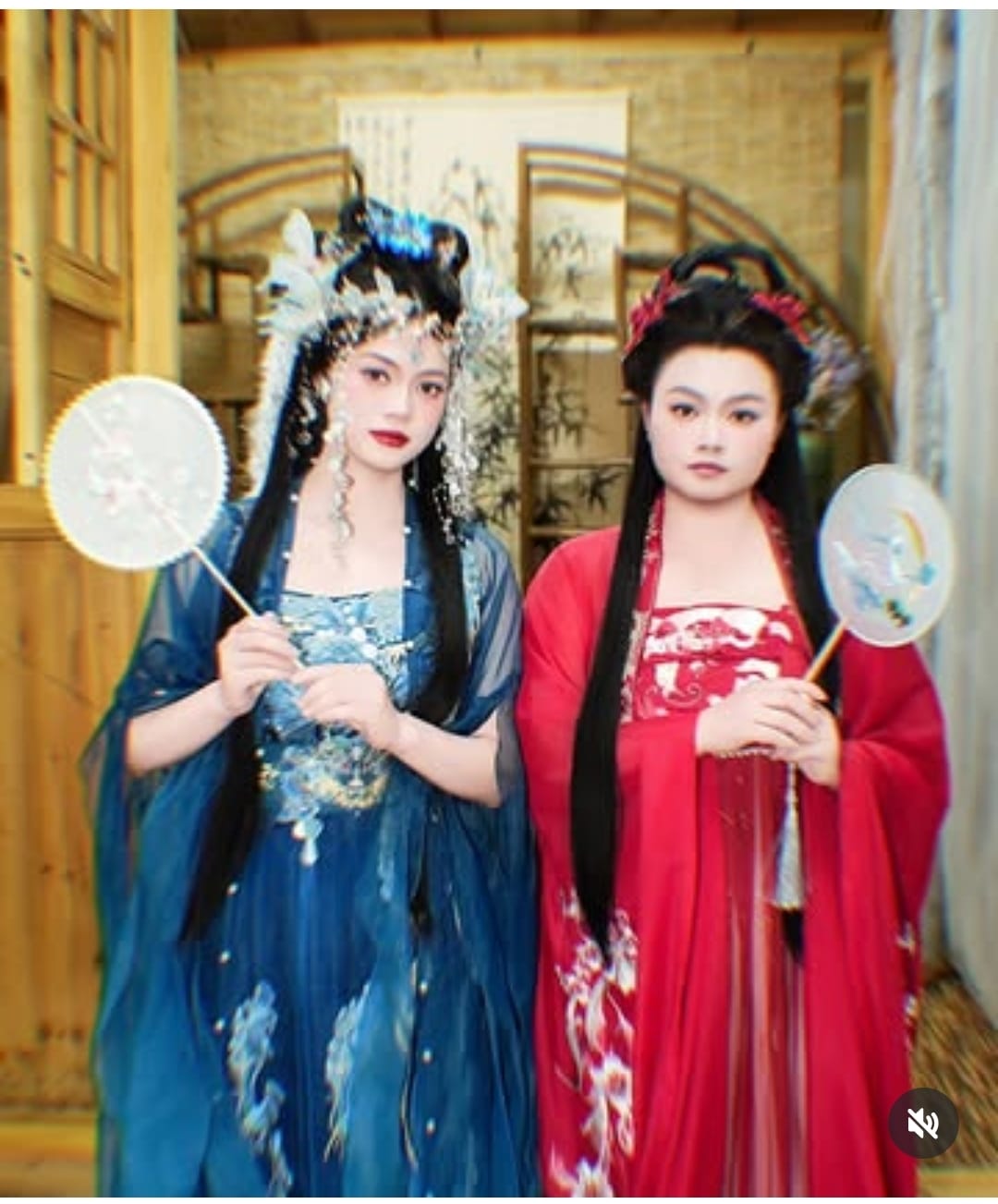
In this deeply evocative track, the dialogue between worlds becomes music: L. sings in Italian, but the arrangement weaves the violin together with the erhu, an ancient Chinese instrument — a bridge of sound between the two identities that live within her. It is no coincidence that the sea is the backdrop of this story: Lucia lives in Trieste, a border city with a powerful bond to the sea, and water becomes a metaphor for a force that can wound but also heal. Her sister Sara, who shared the same struggles of life and integration, also appears in the video.
A childhood told without fear
Lucia Lin was born in a small village in the mountains of Zhejiang, China. At the age of eight she left everything behind — her home, the grandparents who raised her, the habits of a lifetime — to move to Italy with her family. For years she carried a sense of uprooting that was hard to explain, poised between two identities: “too Italian to feel Chinese, too Chinese to feel Italian.” That journey, told without fear including its hardest parts, is at the heart of her book La Resilienza del Cuore. Il viaggio di una donna tra culture, sfide e traguardi, published in 2025.
Music as a cure
“Singing was a cure for me,” says Lucia Lin. “It helped me come out of a dark time. With this song, and with my book, I want to send a simple but true message: the light always comes back. You should not close your heart, not even when it hurts the most.” A thought Lucia carries with her as a true mantra: “Where there is heart, there is light and hope.”
A life of care, inside and outside music
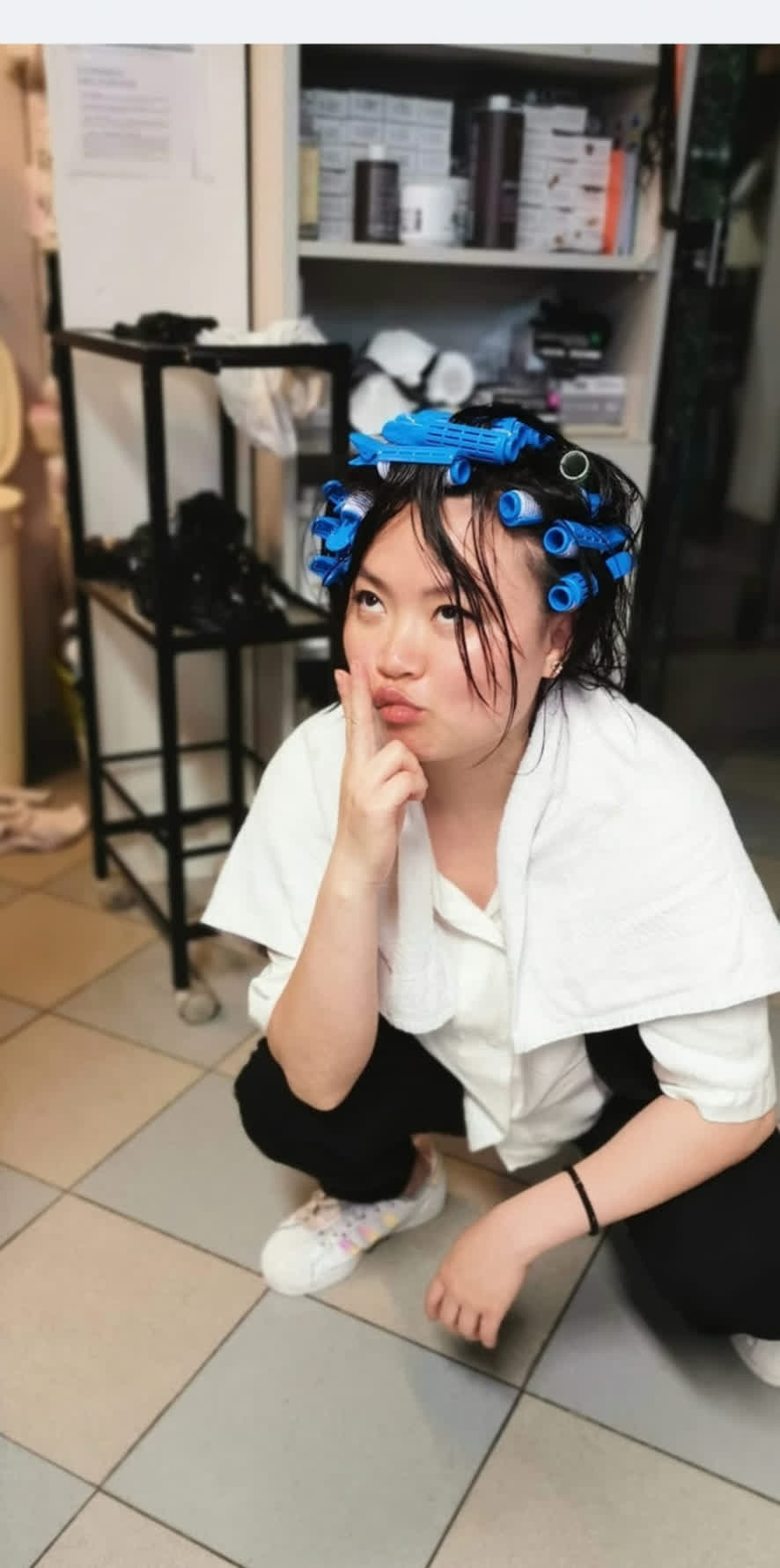
Beyond writing and music, Lucia Lin is today a hairstylist and entrepreneur in Trieste, where in her salon Desideri Hair Stylist she has made listening a genuine daily mission.